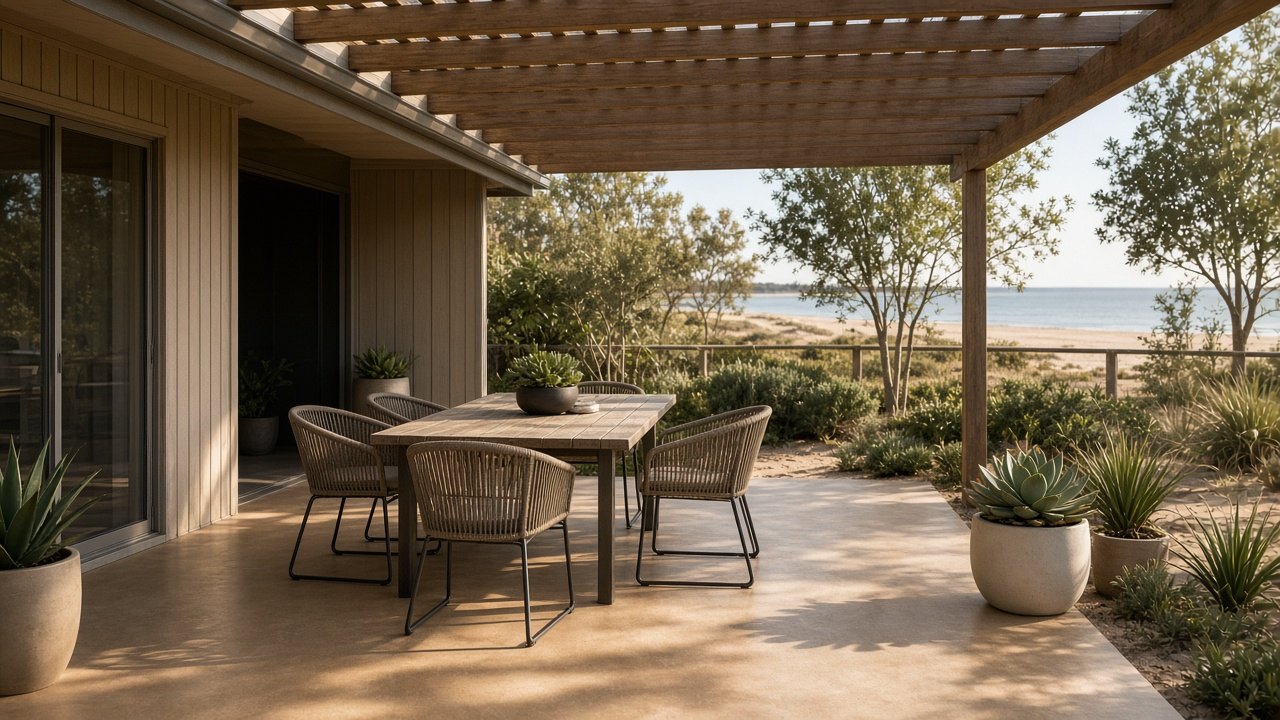
Concrete built for salt, sand and wind on the Bass Coast
Concrete designed for the Bass Coast's salt spray, dune sand, sea mist and strong winds, for beach houses and coastal homes from Kilcunda and Cape Paterson to Inverloch and Phillip Island.
Email: info@wonthaggiconcreting.com.au
Why coastal concrete needs extra care
Concrete within reach of Bass Strait spray faces challenges that inland concrete does not. Salt carried on the wind settles on surfaces and can work into porous concrete. Over years, chlorides that reach reinforcement can cause rust, swelling and spalling. Dune sand moves and scours. Sea mist keeps surfaces damp. Strong winds dry fresh concrete too fast. Each of these can shorten the life of a slab if they are ignored.
Mix and cover
Near the coast we use mixes suited to the exposure and make sure reinforcement has enough concrete cover above and around it. A dense, well-compacted and well-cured slab resists salt far better than a weak, porous one.
Building on dune sand
Loose sand is removed or compacted, a crushed rock base is laid, and edges are protected or thickened so they do not wash out. Geofabric may separate rock from sand.
Curing in the wind
We use evaporation retarders, wind breaks and wet curing so the surface does not dry and crack before it gains strength.
Sealing and maintenance
Sealers help keep salt and moisture out. Hosing salt and sand off occasionally and resealing every few years extends life.
How salt attacks concrete
Concrete is alkaline, which normally protects the steel inside from rust. Chlorides from sea salt can slowly penetrate concrete and break down that protection when they reach the steel. Once steel starts to rust it expands, cracking and spalling the concrete above it. The process is slow, but on poorly made or thin concrete close to the sea it can show within years rather than decades.
Distance from the sea matters
Homes right on the foreshore at Cape Paterson, Kilcunda or Inverloch's surf beach get the heaviest salt exposure. A few streets back, exposure is lower but still present, especially on windy days. Engineers use exposure classifications to set concrete strength and cover; for residential driveways and patios, we apply the same principles sensibly.
Sand and scour
Wind-blown sand abrades surfaces and builds up against edges. Heavy rain on sandy blocks can scour beneath slab edges. Connected downpipes, edge protection and good falls all help.
Concrete around beach showers and outdoor taps
Outdoor showers and taps are common at beach houses and keep concrete wet and salty. Good falls, a drain and a sealed surface stop water pooling and staining.
Steel fixings and coastal concrete
Bolts, post brackets and fixings set into coastal concrete should be galvanised or stainless steel. Mild steel fixings rust and stain the surface.
Maintenance routine for coastal concrete
Rinse salt and sand off every few weeks, especially after storms. Check sealers each year and reseal when water stops beading. Address cracks early so water and salt do not get in.
Choosing finishes on the coast
Textured finishes such as exposed aggregate and broom give the best grip in mist and rain, and lighter colours stay cooler and show salt less.
Bass Coast ground, weather and council rules
Wonthaggi sits where the coastal dunes of the Bunurong coast meet the clay country rising toward the Strzelecki foothills. Near the beaches at Cape Paterson, Inverloch and Kilcunda the ground is often pale sand that drains fast but moves if it is not confined and compacted. Inland, around North Wonthaggi, Dalyston and the farms, heavy clay swells in a wet winter and cracks open in a dry February. Parts of the old coal-mining town also carry fill, ash and brick rubble from a century of building. Add salt spray, sea mist and strong south-westerly winds, and concrete here needs a properly designed base, the right mix and careful curing. Each job gets a test hole, and the base is designed around the layers it shows.
Driveways, paths and patios within your own boundary usually need no permit. Any new or altered crossover across the nature strip, footpath or kerb needs a vehicle-crossing permit from Bass Coast Shire Council, which covers Wonthaggi, Inverloch, Phillip Island, San Remo and every town we work in. Accesses onto the Bass Highway or other main roads also involve the state road authority. House slabs, larger sheds and some coastal works need a building surveyor and engineering. We spell out whatever applies in your quote.
What a Wonthaggi Concreting quote shows
Our quotes are broken into the parts of the job rather than a single total. You will see the measured area, demolition and tip fees for any old concrete, pavers or gravel, how deep we excavate, the rock base specification and compaction method, slab thickness and reinforcement, the surface finish or pebble blend, the joint plan, drains and stormwater connections, edges and steps, sealing, and the council vehicle-crossing permit where one is needed. If a concrete pump, a long wheelbarrow run, traffic control on the Bass Highway or protection for a neighbour's driveway is required, it is listed on its own line.
This site deliberately carries no square-metre pricing. On the Bass Coast the same size driveway can sit on clean dune sand in Cape Paterson, wet grey clay in North Wonthaggi or old mine fill in South Dudley, and each needs different groundwork. A price published online would be wrong for most readers, so we prefer to look at your block and quote what it actually needs.
Coastal concrete and related jobs on the Bass Coast
Driveways, house and shed slabs, patios, crossovers and sealing for town homes, beach houses and farms across the Bass Coast.
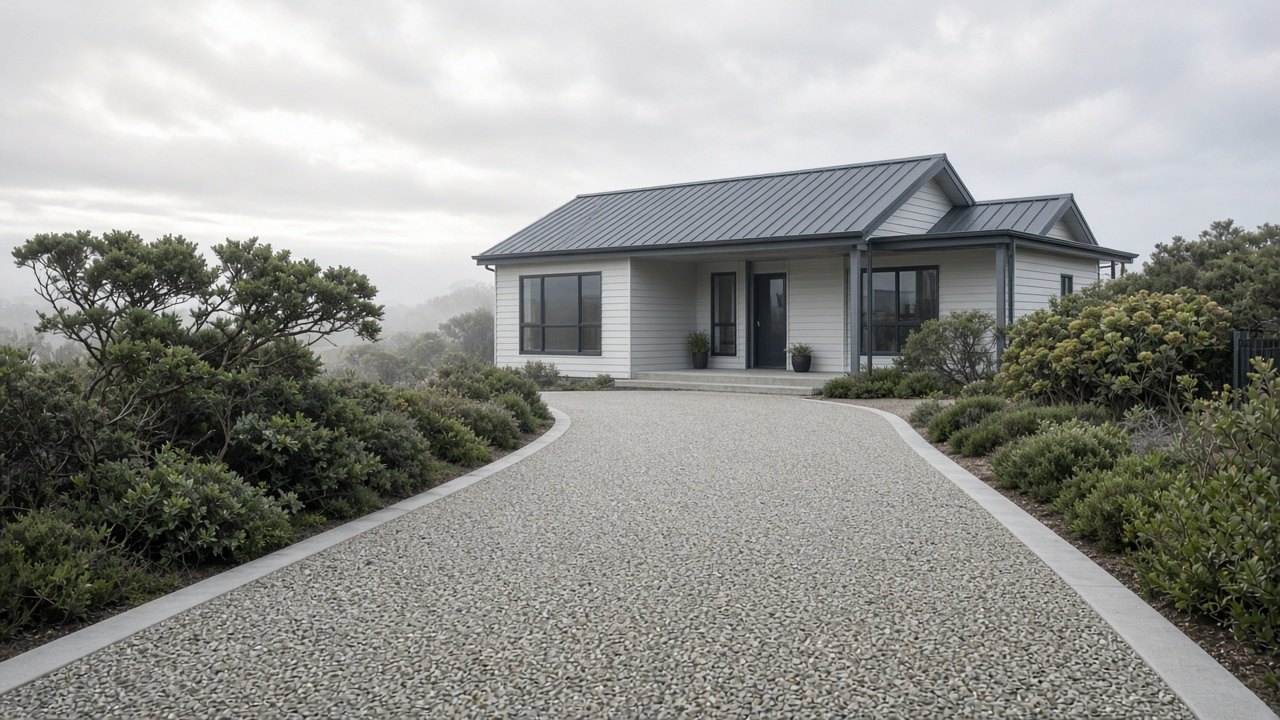
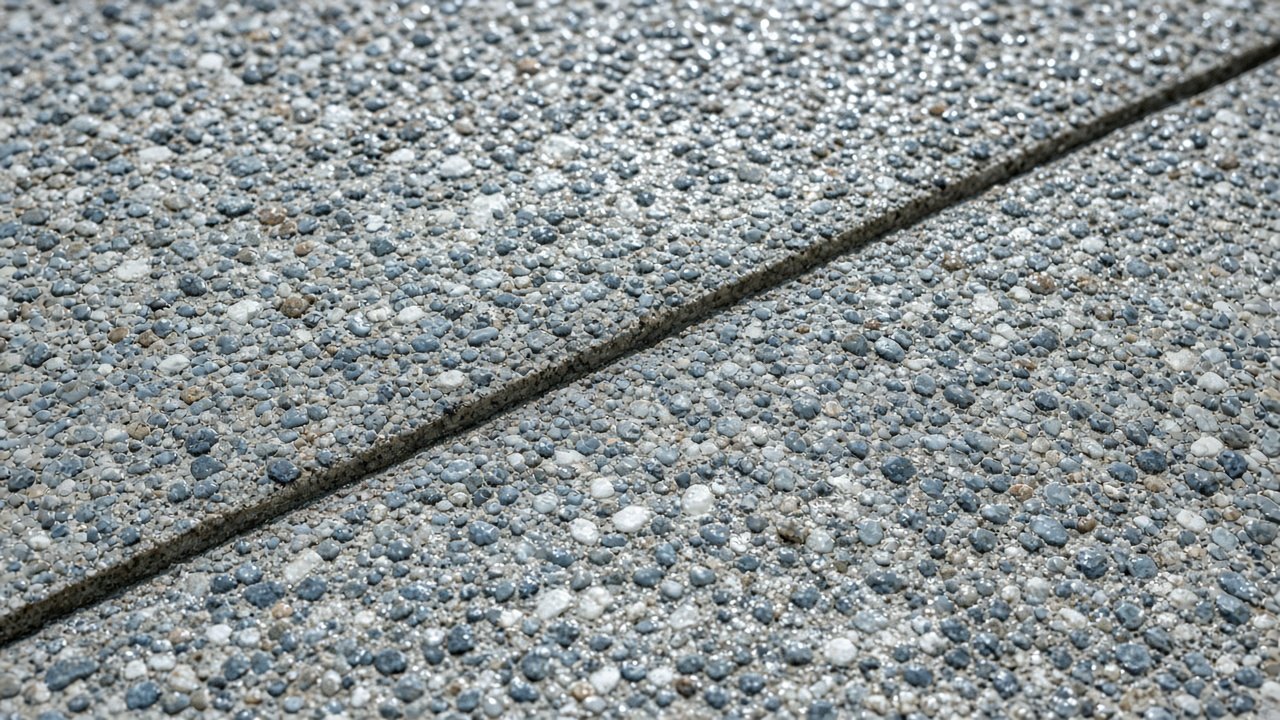
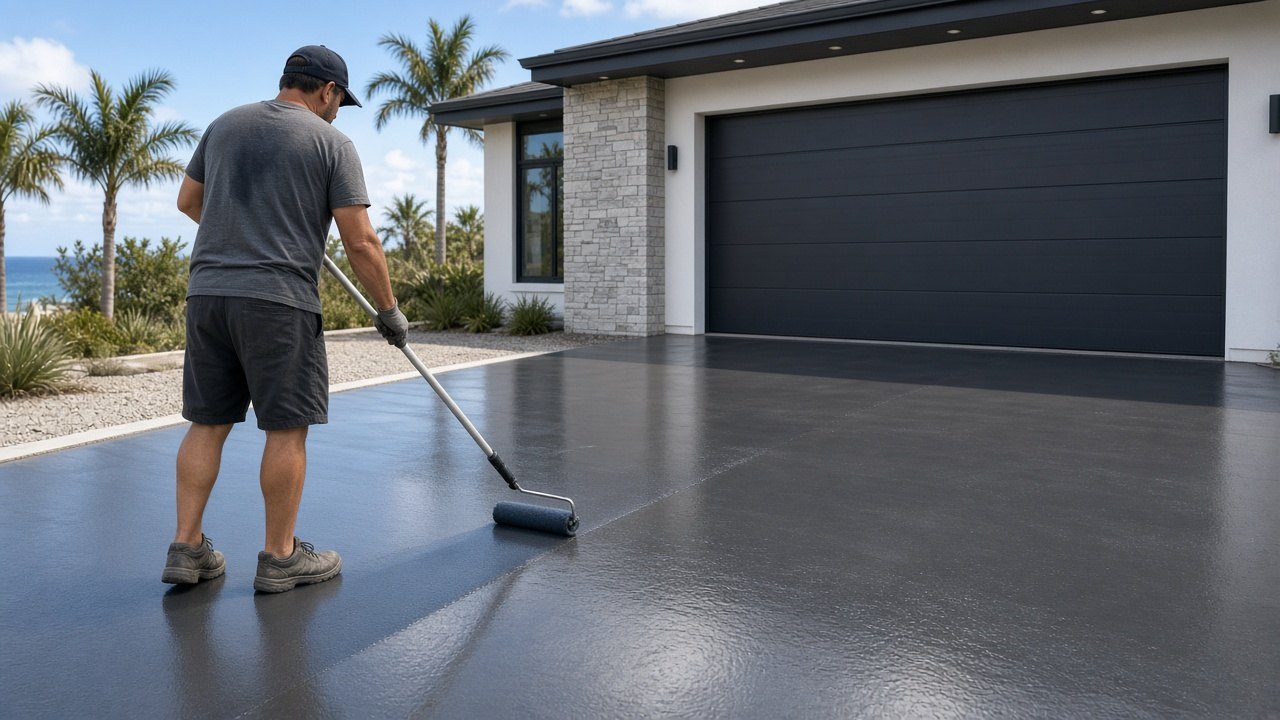
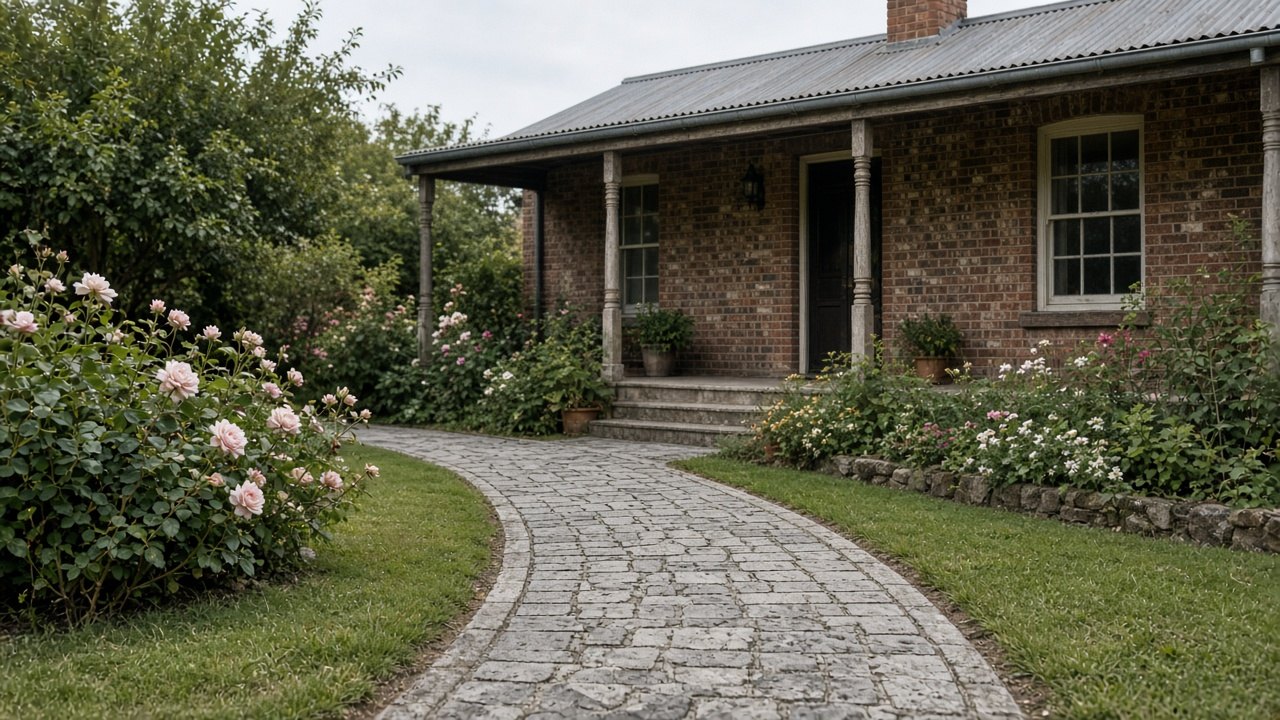
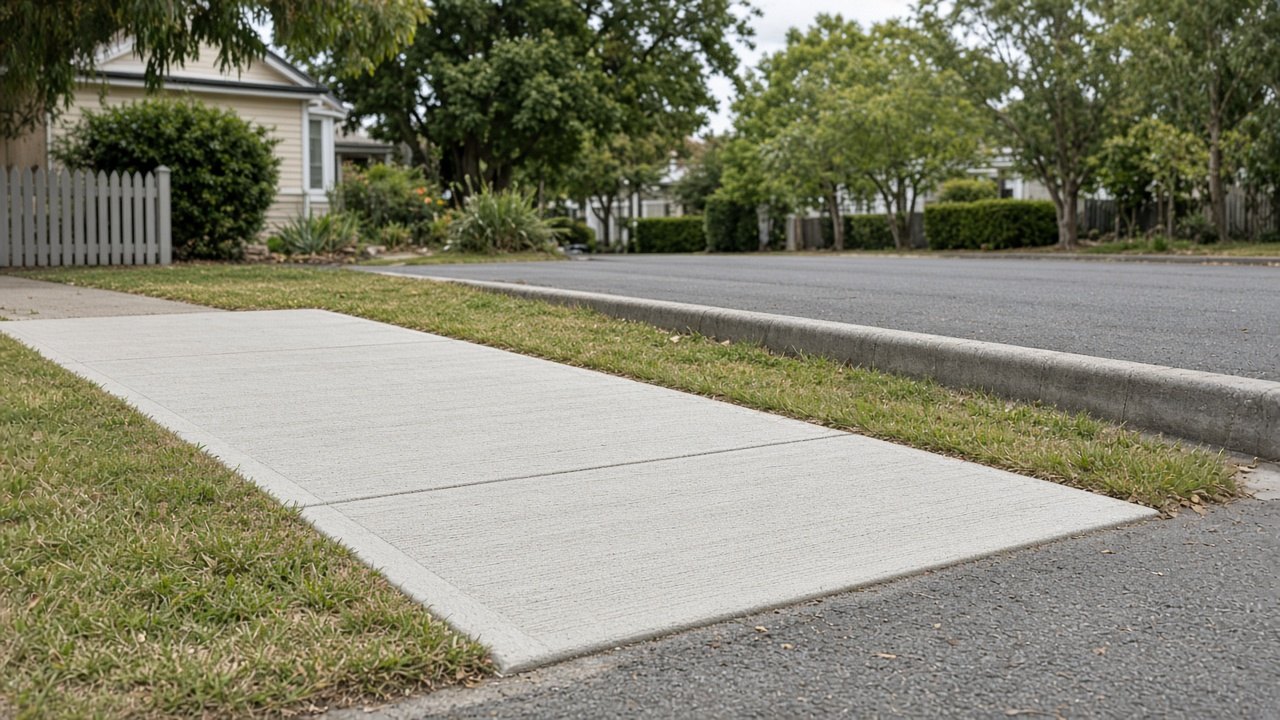
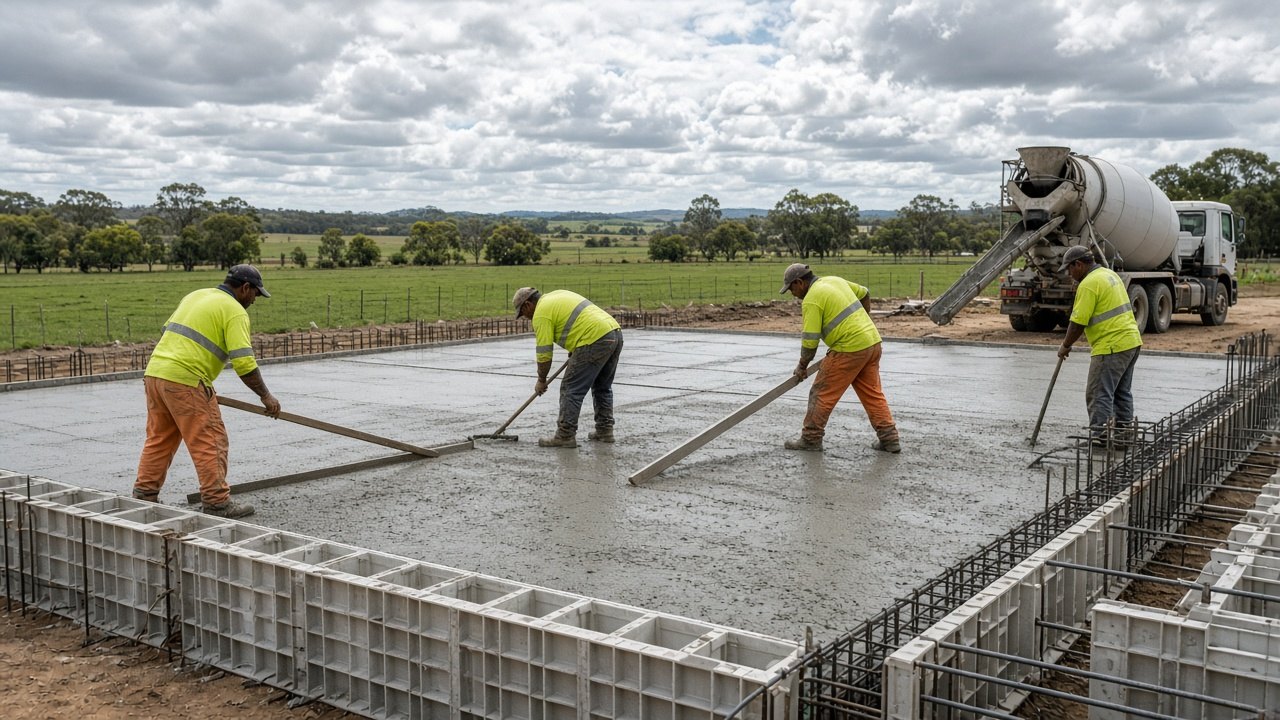
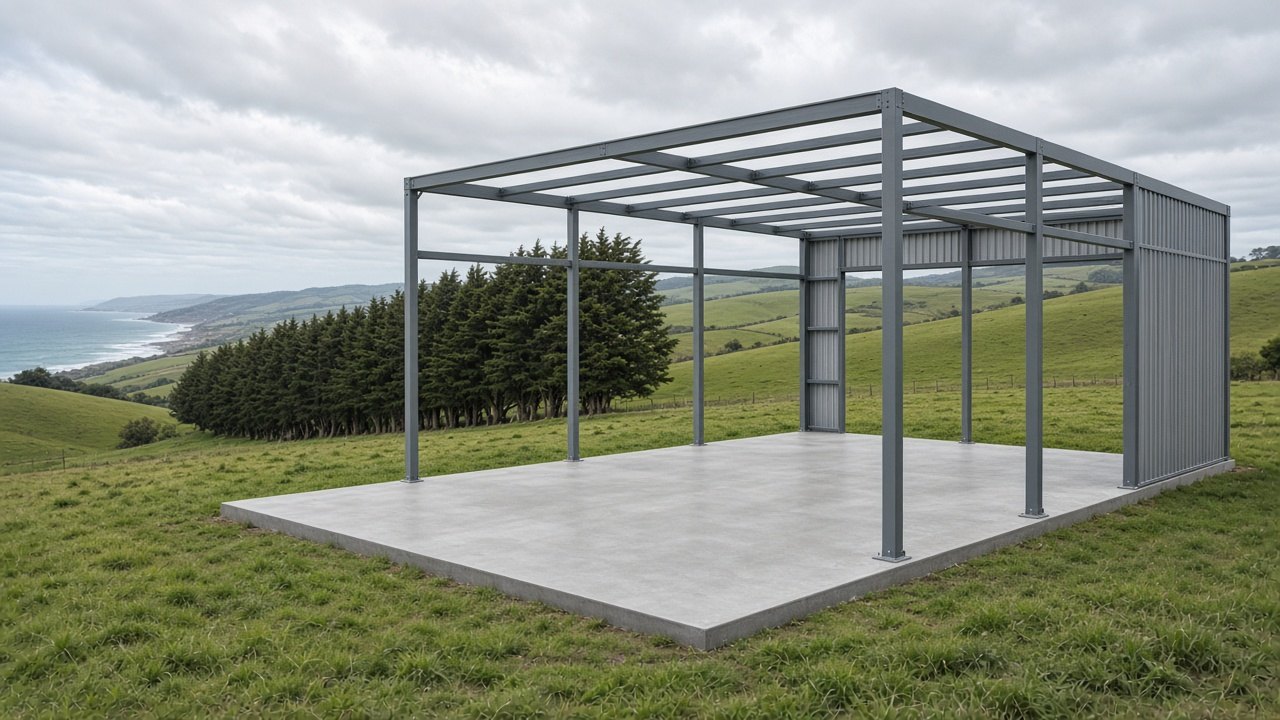
Pictures show the types of finishes and projects we handle around Wonthaggi and the Bass Coast.
Why Bass Coast owners call Wonthaggi Concreting
Local to Wonthaggi 3995
From Wonthaggi we reach Inverloch, Cape Paterson, Phillip Island and Grantville without long travel days.
Sand and clay both handled
Coastal dune sand and inland reactive clay need different bases. We test and build for yours.
Free itemised quotes
No online rates and no phone guesses. A visit, then a written breakdown you can compare.
Built for the coast
Mixes, sealers, joints and curing chosen for salt spray, sea mist and strong winds.
How a Wonthaggi job runs, step by step
- 1
Get in touch
Phone, email or the online form, giving your town and the job in a sentence or two; a few photos of the area and street entry help a lot.
- 2
Site visit
Measurements, levels and a test hole, plus a check of runoff, wind exposure and truck access, with finish samples on hand.
- 3
Written quote
An itemised quote by email covering groundwork, base, slab, steel, finish, joints, drainage and any council permit.
- 4
Preparation
Old surfaces removed, soft clay or loose sand dug out, rock laid and compacted in layers, formwork and reinforcement set.
- 5
Pour day
Concrete placed from the truck or a pump, screeded, finished to the surface you chose and protected from wind and sun.
- 6
Handover
Joints saw-cut, forms stripped, the site cleaned, sealer applied if included, and written care advice left with you.
Coastal concrete around Wonthaggi and the Bass Coast
Inverloch 3996
Inverloch sits on Anderson Inlet east of Wonthaggi, mixing permanent homes, holiday houses and new estates. We pour driveways, exposed aggregate, patios, slabs and crossovers from the surf beach to the inlet.
Concreting in InverlochCape Paterson 3995
Cape Paterson is the small surf town on the Bunurong coast south of Wonthaggi. We pour driveways, paths, patios and slabs for beach houses and new homes on its sandy blocks.
Concreting in Cape PatersonNorth Wonthaggi 3995
North Wonthaggi takes in established streets and newer estates on the town's northern side. We pour driveways, crossovers, patios, house slabs and shed slabs across the area.
Concreting in North WonthaggiSouth Dudley 3995
South Dudley is the older residential area on Wonthaggi's south side, close to the State Coal Mine heritage site. We replace driveways and pour patios, paths and slabs on its established blocks.
Concreting in South DudleyKilcunda 3995
Kilcunda is the clifftop township on the Bass Highway between Wonthaggi and San Remo. We pour driveways, patios and slabs for homes facing the full weather of Bass Strait.
Concreting in KilcundaDalyston 3992
Dalyston is the farming township on the Bass Highway north-west of Wonthaggi. We pour shed slabs, farm hardstands, driveways and house slabs for rural properties and town homes.
Concreting in DalystonSan Remo 3925
San Remo is the fishing village at the Phillip Island bridge. We pour driveways, patios, paths and slabs on its sloping coastal blocks.
Concreting in San RemoPhillip Island 3922
Phillip Island takes in Cowes, Rhyll, Ventnor, Newhaven, Surf Beach and Smiths Beach. We pour driveways, patios, slabs and crossovers for island homes and holiday houses.
Concreting in Phillip IslandGrantville 3984
Grantville sits on Western Port north of the Bass Coast towns, with lifestyle blocks and rural properties. We pour driveways, shed slabs and house slabs across the area.
Concreting in GrantvilleCoronet Bay 3984
Coronet Bay is a quiet Western Port township near Corinella. We pour driveways, patios, paths and slabs for permanent and holiday homes.
Concreting in Coronet BayCoastal Concrete questions
Does salt damage concrete?
Over time salt can attack poorly made concrete and exposed steel. Good mixes, cover, curing and sealing reduce the risk.
Is exposed aggregate good near the beach?
Yes, it grips well and hides sand; sealing helps it resist salt.
How often should coastal concrete be resealed?
Typically every two to four years close to the sea.
Areas covered
Other services
Talk to a Wonthaggi concreter
Site visits and itemised written quotes are free from Wonthaggi to Inverloch, Phillip Island and Grantville. There are no rates online because coastal sand, inland clay and access change from block to block.