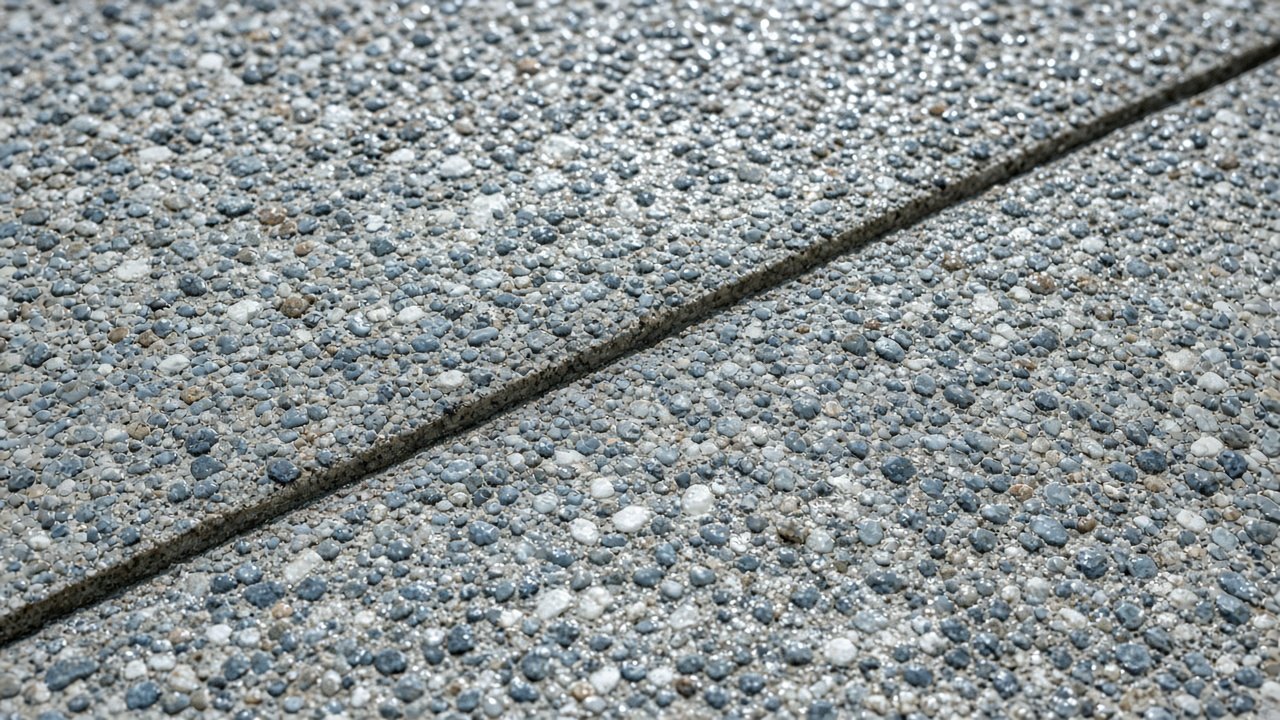
Exposed aggregate driveways and paving in Wonthaggi
Washed-pebble concrete for Bass Coast driveways, entries, alfresco floors and pool decks, with stone mixes picked beside your cladding, washed at the right moment and sealed against salty air.
Email: info@wonthaggiconcreting.com.au
Why exposed aggregate suits the coast
Exposed aggregate is concrete with decorative stones mixed through it. After the concrete is placed and begins to set, the top skin of cement paste is washed away to reveal the stones. The result is a textured surface that grips well in rain and sea mist, hides sand, dirt and tyre marks, and keeps looking good for decades. On the Bass Coast, where driveways are often damp and sandy, those qualities matter more than in most places.
Choosing a pebble blend
Blends vary from pale whites and light greys, which suit beach houses and coastal weatherboards, through mid-grey and blue basalt mixes, to warm browns, rusts and charcoal tones that sit well with brick and darker cladding. Stone size changes the look too: finer stones give a smoother, tighter texture, while larger stones look bolder and feel rougher underfoot. We bring sample boards to the site visit so you can compare blends against your house, roof and garden in natural light, because a blend that looks right in a brochure can look very different on site.
Borders and combinations
A plain or coloured border framing exposed aggregate gives a crisp edge and a place to hide joints. Some owners choose aggregate for the visible frontage and plain concrete for side access and the area behind the gate. Others carry the same blend from the driveway to the front path, porch and alfresco so the whole property feels connected.
How it is poured
Exposed aggregate needs the same groundwork as any driveway: firm ground, compacted rock, steel and planned joints. The difference is on pour day. Timing the wash is critical. Too early and stones are loosened; too late and the paste sets hard over them. Coastal wind makes this trickier because surfaces dry unevenly, so we work in sections, use surface retarders where they help, and wash each area at the right moment. Once cured, the surface is cleaned of haze and joints are cut.
Sealing in salty air
We recommend sealing exposed aggregate, especially within a few kilometres of the beach. A good sealer deepens the colour of the stones, helps keep salt and moisture out of the surface, and makes oil, rust and leaf stains easier to clean. Penetrating sealers keep a natural look; acrylic sealers give more sheen. Anti-slip grit can be added on slopes and around pools.
Exposed aggregate for every part of the property
Exposed aggregate is not only for driveways. We pour it for front paths and porches, side paths, alfresco floors, pool surrounds, courtyards and steps. Using the same blend across several areas ties the house together, while a change of stone size or a plain border can mark the difference between a driveway and a patio. Around pools, finer stones are kinder on bare feet; on driveways, a slightly larger stone gives extra grip and texture.
Understanding blends
A blend is the mix of stones chosen for the surface. Each blend has a different combination of colours and sizes, and the cement colour behind the stones changes the overall look too. White or off-white cement brightens a pale blend; grey cement gives a softer, cooler tone; tinted cement can warm or darken the result. Ready-mix suppliers in the district hold a range of decorative blends, and we can source others. We show you real samples, not printed swatches, because printed colours rarely match.
Coastal blends
Near the beach, many owners choose pale or mid-grey blends that echo sand, rock and driftwood. They stay cooler in summer and suit light weatherboard and Colorbond homes. Darker basalt blends look strong on contemporary homes with dark cladding, but get hotter in sun and show salt bloom and sand more readily, so they benefit from regular rinsing and sealing.
Country and town homes
Inland, warmer blends with browns, creams and rust stones sit well with brick homes and rural surroundings. For the older miners' cottages and period homes around Wonthaggi's centre, a softer blend with a stencilled or plain border often looks more in keeping than a stark modern finish.
Groundwork comes first
An exposed aggregate driveway is only as good as what lies under it. We remove topsoil and loose or soft material, build a compacted rock base, place reinforcement at the right height, and plan joints and falls before the decorative stage begins. On sand, edges are thickened or protected; on clay, drainage and joint layout are especially important.
The washing stage in detail
After the concrete is placed and finished, a surface retarder may be sprayed on to slow the setting of the top layer. Some hours later, depending on temperature, humidity and wind, the surface is washed with water and brushed to remove the paste and reveal the stones. Washing too early dislodges stones; washing too late leaves a cloudy film that is hard to remove. Bass Coast wind can make one part of a slab ready long before another, so we keep checking and wash each section at its own right moment.
Cleaning off the haze
Once cured, exposed aggregate can carry a light cement haze. We clean it off before sealing so the stones show their true colour.
Joints and borders
Saw-cut joints are placed to control cracking. In aggregate, joints are often less visible than in plain concrete, but placement still matters. Borders can be plain, coloured or a different aggregate, and they give a neat line where the driveway meets lawn, garden or a footpath.
Sealers compared
Penetrating sealers leave a natural, matte finish and do not change grip much. Solvent-based acrylic sealers enhance colour and give a wet look, but can be slippery without grit. Water-based options are lower odour and usually less glossy. Close to the coast we often recommend a quality sealer that resists salt and UV, reapplied every few years.
Living with exposed aggregate
Rinse sand and salt off occasionally, especially after storms. Sweep leaves and gum nuts so they do not stain. Clean oil drips quickly with a suitable degreaser. Avoid harsh acid cleaners that can etch the surface. When water no longer beads on the surface, it is time to reseal.
Repairs and additions
If part of an exposed aggregate area needs replacing, for example after plumbing work, an exact match is difficult because blends and weathering change. We can use a border or a joint line to make a new section look intentional, and we try to source the same blend.
Exposed aggregate versus other finishes
Compared with plain concrete, exposed aggregate costs more but looks better, hides wear and gives more grip. Compared with coloured concrete, it fades less because the colour comes from the stones themselves. Compared with pavers, it does not move or let weeds through. Compared with stamped concrete, it is less slippery and simpler to maintain.
Common questions on site
People often ask whether aggregate is hard to clean (it is not, though sand lodges in the texture), whether it suits steep driveways (yes, it gives good grip), and whether it will look like the photo on the website (we show real samples to avoid surprises).
Matching aggregate to the rest of the house
When choosing a blend, look at the fixed colours of the home: the roof, the window frames, the cladding or brick, the fence and the letterbox. A blend that picks up one or two of those colours tends to look settled and deliberate. A blend that contrasts with everything can look busy. If the house is being painted or reclad, choose the aggregate after the colours are confirmed.
Steps, edges and transitions
Exposed aggregate steps need careful forming so edges are crisp and nosings are safe. Where aggregate meets a timber deck, a door threshold or a garage slab, we form neat transitions so there is no trip edge and water drains away from the building.
Pool surrounds in detail
Pool surrounds in exposed aggregate should use a fine blend for comfort, fall away from the pool so water and debris do not wash in, and be sealed with an anti-slip product. Coping can be bullnosed concrete, stone or tile. We work with your pool builder on levels, safety barriers and the timing of fence installation.
Exposed aggregate on sandy beach blocks
On pale dune sand, edges need extra support so they do not wash out in heavy rain. We thicken edges or form them against compacted rock, and we make sure downpipes are connected so roof water does not pour onto the slab edge. Sand blowing onto a fresh aggregate surface during washing can be a nuisance, so on windy days we may screen the area.
Exposed aggregate on clay
On inland clay sites, the base and drainage matter more than the finish. Water sitting under a slab on clay causes movement. We use well-compacted rock, ag drains where needed, and joint layouts that allow for small movements without random cracks.
Why we wash in sections
Large driveways can take several hours to place and finish. Concrete placed first will be ready to wash before concrete placed last. Working in sections, with joints planned between them, lets us wash each area at its ideal time and gives a more consistent finish.
Exposed aggregate and heat
Lighter blends reflect more heat, and in a sunny Bass Coast summer that makes a real difference for bare feet and pets. If the area is around a pool, a patio or a play space, a lighter blend and finer stones are usually the better choice.
A word about cost comparisons
Exposed aggregate quotes vary because blends, cement colours, borders, base depth, access and sealing differ. When comparing quotes, check that each one names the blend, the base and the sealing, and that the area and thickness are the same.
Exposed aggregate for commercial and shared areas
Beyond homes, exposed aggregate suits shop frontages, community buildings, holiday accommodation, caravan park paths and strata driveways where grip, durability and a tidy appearance matter. For owners corporations, we can stage work so residents keep access and plan around holiday-season occupancy on the coast.
Planning your exposed aggregate job
A smooth project starts with clear decisions. Before pour day we confirm the blend and cement colour, the border detail, the joint layout, where downpipes and drains connect, the finished levels at doors and the garage, the sealer type, and how long the area needs to stay off limits. We also agree on access for the truck or pump, where the wash water will go so it does not run into gardens or stormwater pits untreated, and how neighbours' driveways will be protected.
Wash water and the environment
Washing exposed aggregate creates a slurry of cement paste and water. It should not run into stormwater drains, creeks or the sea. We contain wash water on site and dispose of it responsibly, which matters along the Bass Coast where drains often discharge to beaches and inlets.
Sample boards and test panels
For larger jobs or when owners are torn between two blends, a small test panel can be poured on site or at the yard so you can see the blend in your own light, wet and dry, before committing. It costs a little time but removes doubt on a surface that will be there for decades.
Getting started
Call 03 7075 1956 or send the form with your town, the area you want done and a few photos. We will visit, test the ground, bring blend samples and send an itemised written quote for your exposed aggregate driveway, path or patio.
Build specification at a glance
| Excavation | Topsoil, loose dune sand and soft clay removed to firm ground; mine fill, rubble and old concrete carted away |
|---|---|
| Base | Crushed rock placed in layers and compacted, deeper on soft clay, fill or loose sand |
| Slab depth | Sized for the heaviest load: cars, boats, caravans, horse floats, farm machinery or trucks |
| Steel | Mesh or bar on chairs at the right cover, with extra bars at corners, pits and thickened edges |
| Joints | Saw cuts on a planned layout aligned to garage doors and corners; isolation joints against the house |
| Drainage | Falls to pits, strip drains, garden beds or the kerb, with edges protected from scour |
| Finish | Exposed aggregate, broom, coloured, stencil or honed, with a sealer suited to salt air |
Bass Coast ground, weather and council rules
Wonthaggi sits where the coastal dunes of the Bunurong coast meet the clay country rising toward the Strzelecki foothills. Near the beaches at Cape Paterson, Inverloch and Kilcunda the ground is often pale sand that drains fast but moves if it is not confined and compacted. Inland, around North Wonthaggi, Dalyston and the farms, heavy clay swells in a wet winter and cracks open in a dry February. Parts of the old coal-mining town also carry fill, ash and brick rubble from a century of building. Add salt spray, sea mist and strong south-westerly winds, and concrete here needs a properly designed base, the right mix and careful curing. Each job gets a test hole, and the base is designed around the layers it shows.
Driveways, paths and patios within your own boundary usually need no permit. Any new or altered crossover across the nature strip, footpath or kerb needs a vehicle-crossing permit from Bass Coast Shire Council, which covers Wonthaggi, Inverloch, Phillip Island, San Remo and every town we work in. Accesses onto the Bass Highway or other main roads also involve the state road authority. House slabs, larger sheds and some coastal works need a building surveyor and engineering. We spell out whatever applies in your quote.
What a Wonthaggi Concreting quote shows
Our quotes are broken into the parts of the job rather than a single total. You will see the measured area, demolition and tip fees for any old concrete, pavers or gravel, how deep we excavate, the rock base specification and compaction method, slab thickness and reinforcement, the surface finish or pebble blend, the joint plan, drains and stormwater connections, edges and steps, sealing, and the council vehicle-crossing permit where one is needed. If a concrete pump, a long wheelbarrow run, traffic control on the Bass Highway or protection for a neighbour's driveway is required, it is listed on its own line.
This site deliberately carries no square-metre pricing. On the Bass Coast the same size driveway can sit on clean dune sand in Cape Paterson, wet grey clay in North Wonthaggi or old mine fill in South Dudley, and each needs different groundwork. A price published online would be wrong for most readers, so we prefer to look at your block and quote what it actually needs.
Exposed aggregate and related jobs on the Bass Coast
Driveways, house and shed slabs, patios, crossovers and sealing for town homes, beach houses and farms across the Bass Coast.
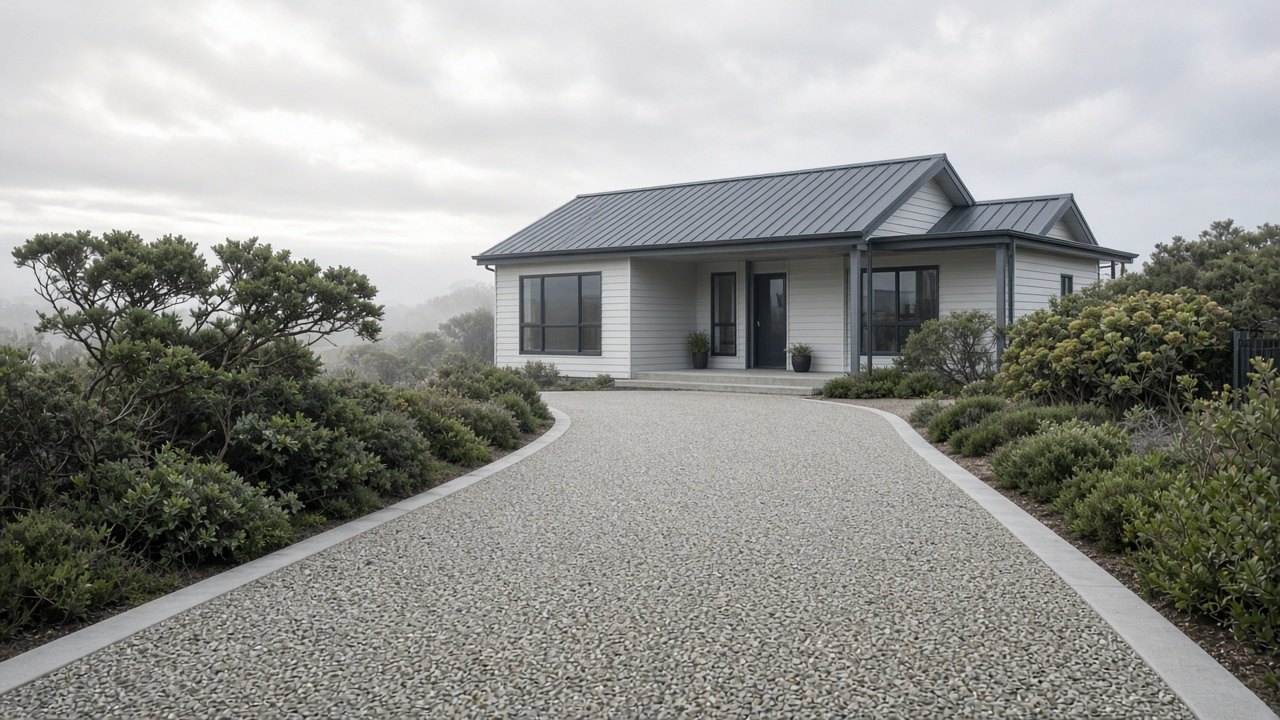
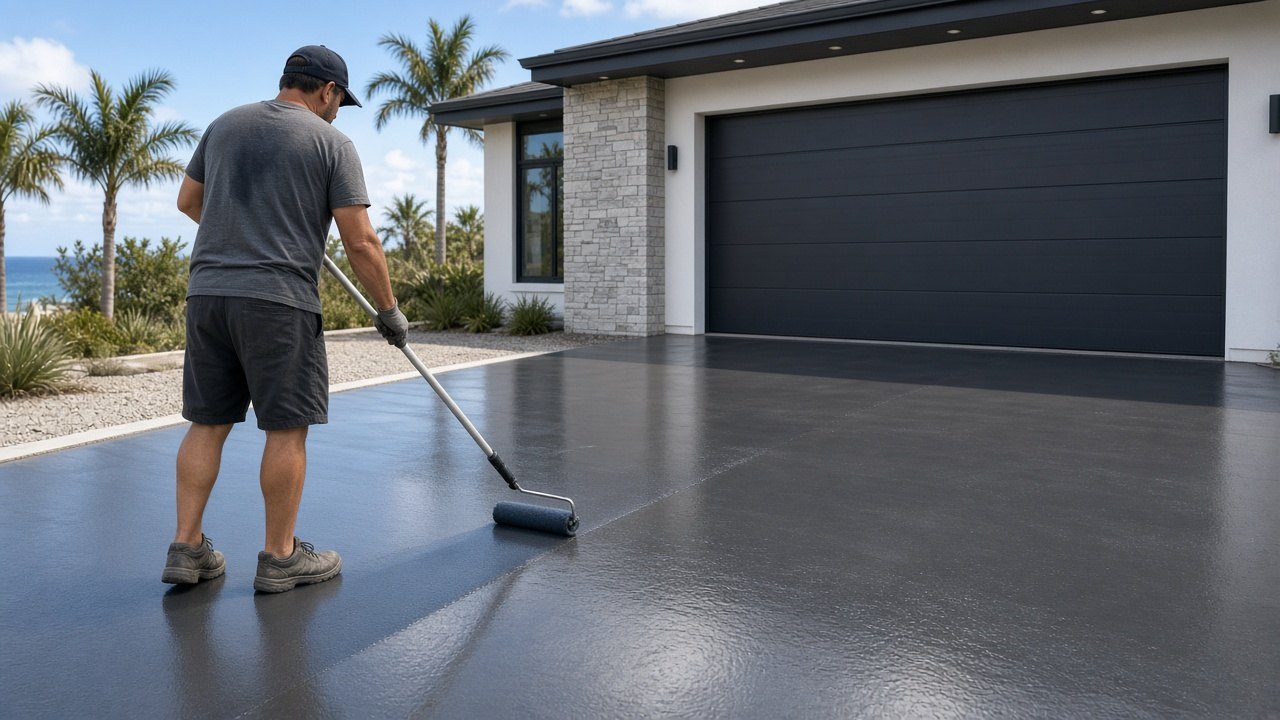
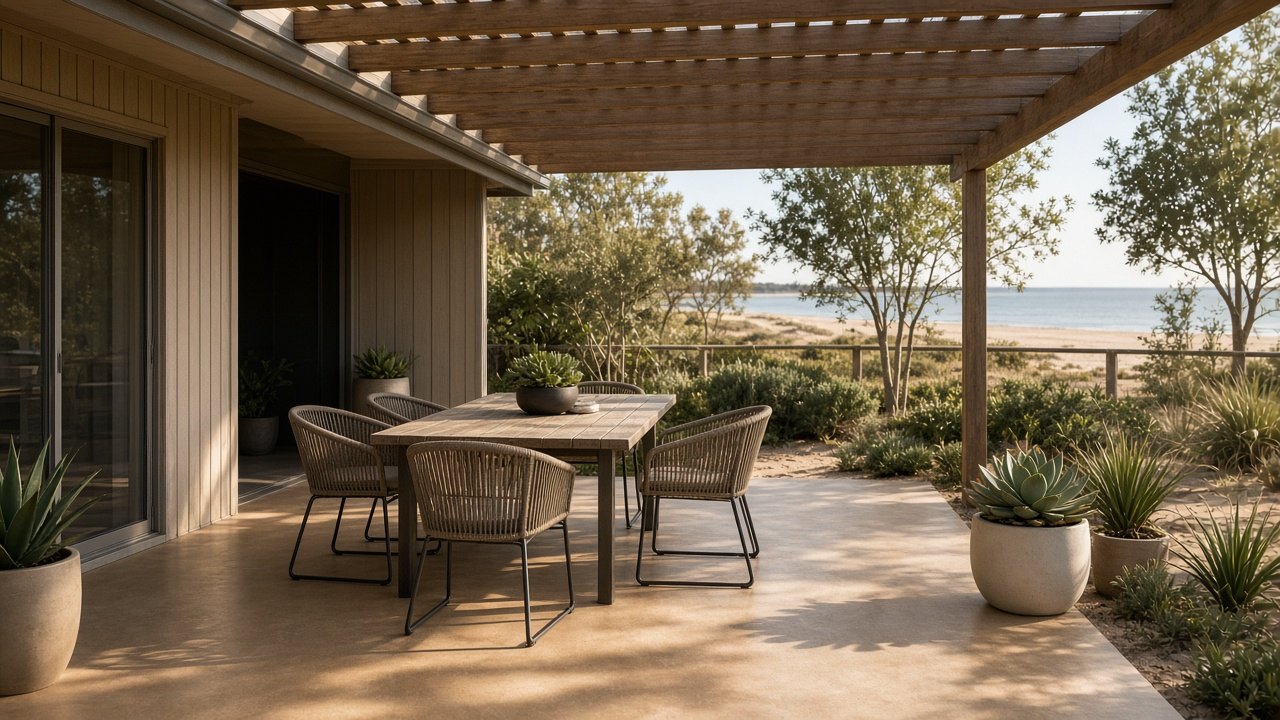
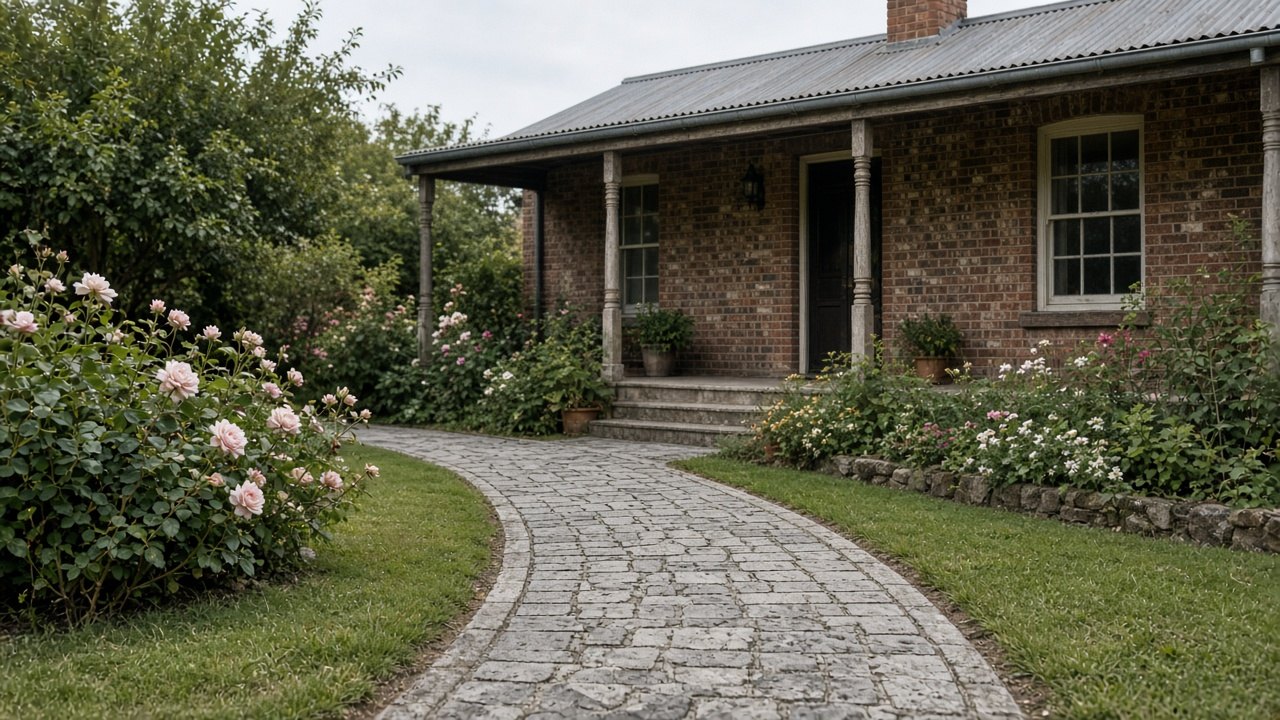
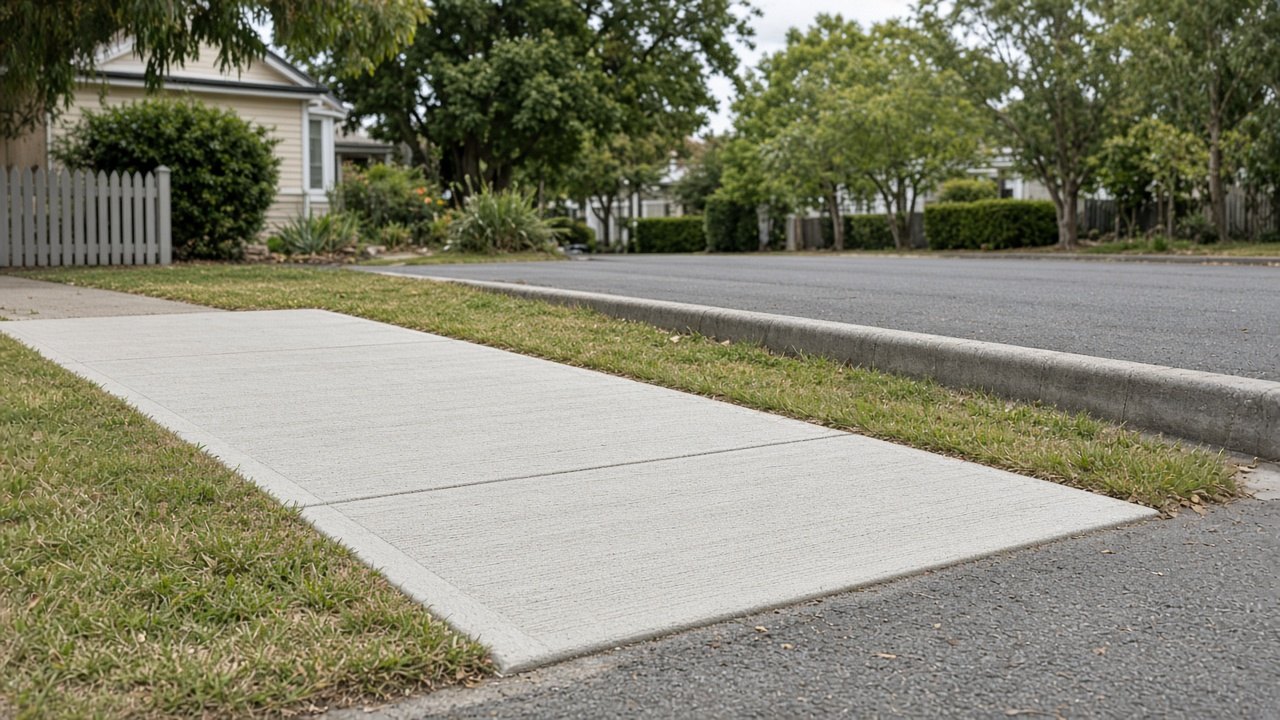
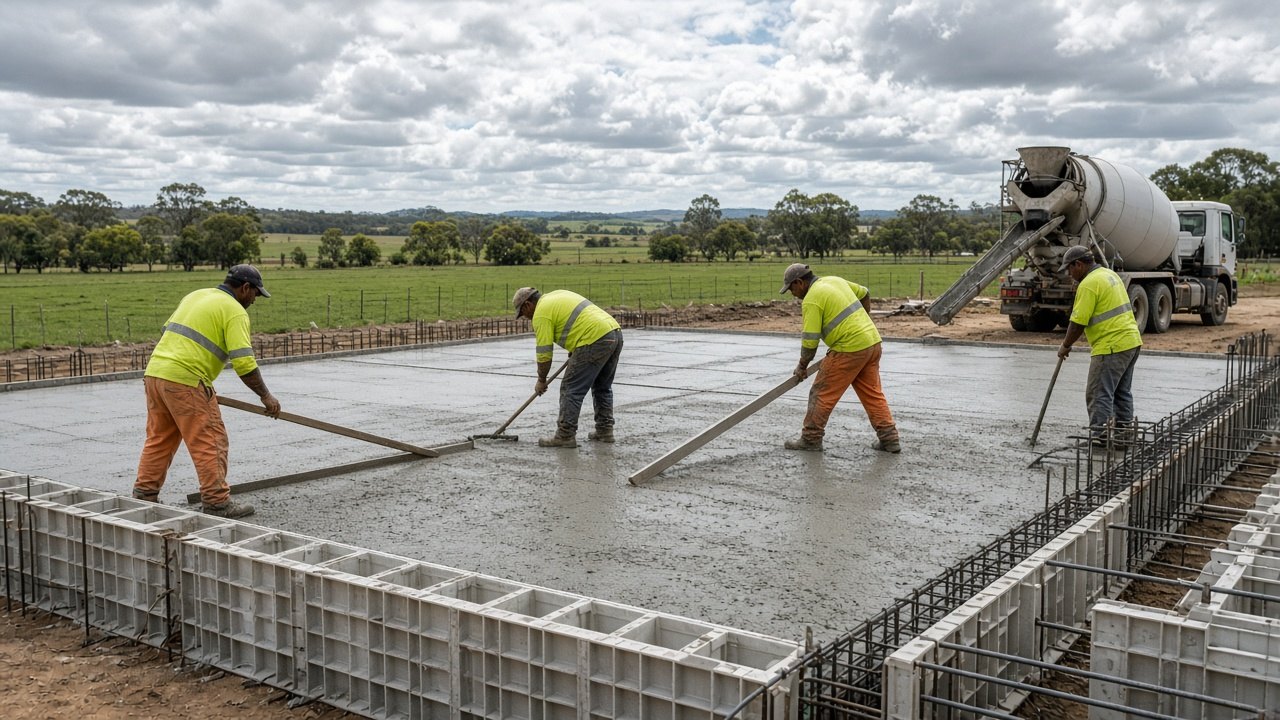
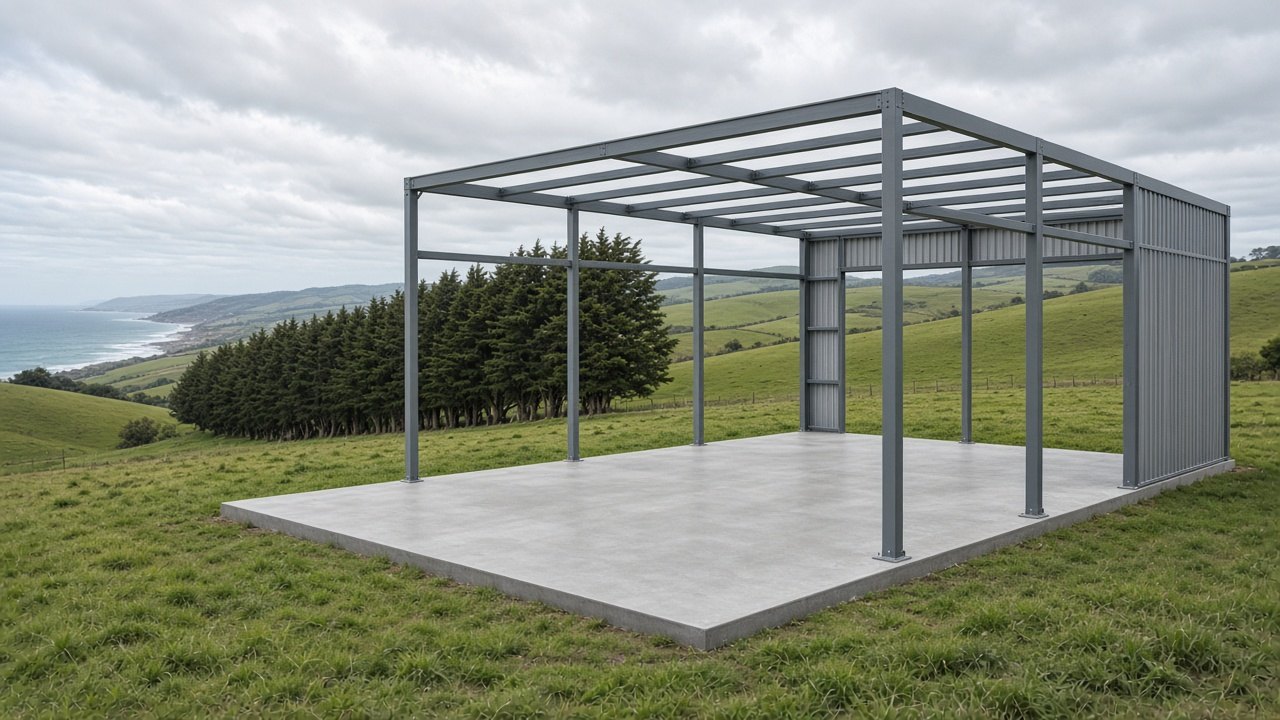
Pictures show the types of finishes and projects we handle around Wonthaggi and the Bass Coast.
Why Bass Coast owners call Wonthaggi Concreting
Local to Wonthaggi 3995
From Wonthaggi we reach Inverloch, Cape Paterson, Phillip Island and Grantville without long travel days.
Sand and clay both handled
Coastal dune sand and inland reactive clay need different bases. We test and build for yours.
Free itemised quotes
No online rates and no phone guesses. A visit, then a written breakdown you can compare.
Built for the coast
Mixes, sealers, joints and curing chosen for salt spray, sea mist and strong winds.
How a Wonthaggi job runs, step by step
- 1
Get in touch
Phone, email or the online form, giving your town and the job in a sentence or two; a few photos of the area and street entry help a lot.
- 2
Site visit
Measurements, levels and a test hole, plus a check of runoff, wind exposure and truck access, with finish samples on hand.
- 3
Written quote
An itemised quote by email covering groundwork, base, slab, steel, finish, joints, drainage and any council permit.
- 4
Preparation
Old surfaces removed, soft clay or loose sand dug out, rock laid and compacted in layers, formwork and reinforcement set.
- 5
Pour day
Concrete placed from the truck or a pump, screeded, finished to the surface you chose and protected from wind and sun.
- 6
Handover
Joints saw-cut, forms stripped, the site cleaned, sealer applied if included, and written care advice left with you.
Exposed aggregate around Wonthaggi and the Bass Coast
Inverloch 3996
Inverloch sits on Anderson Inlet east of Wonthaggi, mixing permanent homes, holiday houses and new estates. We pour driveways, exposed aggregate, patios, slabs and crossovers from the surf beach to the inlet.
Concreting in InverlochCape Paterson 3995
Cape Paterson is the small surf town on the Bunurong coast south of Wonthaggi. We pour driveways, paths, patios and slabs for beach houses and new homes on its sandy blocks.
Concreting in Cape PatersonNorth Wonthaggi 3995
North Wonthaggi takes in established streets and newer estates on the town's northern side. We pour driveways, crossovers, patios, house slabs and shed slabs across the area.
Concreting in North WonthaggiSouth Dudley 3995
South Dudley is the older residential area on Wonthaggi's south side, close to the State Coal Mine heritage site. We replace driveways and pour patios, paths and slabs on its established blocks.
Concreting in South DudleyKilcunda 3995
Kilcunda is the clifftop township on the Bass Highway between Wonthaggi and San Remo. We pour driveways, patios and slabs for homes facing the full weather of Bass Strait.
Concreting in KilcundaDalyston 3992
Dalyston is the farming township on the Bass Highway north-west of Wonthaggi. We pour shed slabs, farm hardstands, driveways and house slabs for rural properties and town homes.
Concreting in DalystonSan Remo 3925
San Remo is the fishing village at the Phillip Island bridge. We pour driveways, patios, paths and slabs on its sloping coastal blocks.
Concreting in San RemoPhillip Island 3922
Phillip Island takes in Cowes, Rhyll, Ventnor, Newhaven, Surf Beach and Smiths Beach. We pour driveways, patios, slabs and crossovers for island homes and holiday houses.
Concreting in Phillip IslandGrantville 3984
Grantville sits on Western Port north of the Bass Coast towns, with lifestyle blocks and rural properties. We pour driveways, shed slabs and house slabs across the area.
Concreting in GrantvilleCoronet Bay 3984
Coronet Bay is a quiet Western Port township near Corinella. We pour driveways, patios, paths and slabs for permanent and holiday homes.
Concreting in Coronet BayExposed Aggregate questions
Is exposed aggregate slippery?
Generally it has better grip than smooth concrete. Glossy sealers can reduce grip, so we use anti-slip additive where needed.
How often does exposed aggregate need resealing?
Usually every few years, sooner on driveways near the beach or with heavy traffic.
Can exposed aggregate be used around a pool?
Yes. Finer stones are kinder on bare feet, and an anti-slip sealer is a good idea.
Will stones come loose?
Properly placed and washed aggregate is held firmly. Loose stones usually point to washing too early or poor curing.
Which blend is best near the beach?
Pale and mid-grey blends are popular and stay cooler, but the best blend is the one that suits your house. We bring real samples.
Can exposed aggregate be laid over an old driveway?
Not as a proper pour. The old concrete is removed and a new base and slab are built. Thin decorative overlays exist but are a different product.
How long after pouring can I seal it?
Usually after the concrete has cured for a few weeks, so moisture can escape first.
Does exposed aggregate suit steep driveways?
Yes. It gives good grip, and we pay extra attention to transitions and drainage on slopes.
Why does my aggregate look cloudy?
A cement haze can remain after washing. It is cleaned off before sealing, and an acid-free cleaner can lift it later if it returns.
Can you match an existing aggregate area?
We try to source the same blend, but weathering changes appearance, so a border or joint between old and new usually looks best.
Do you pour exposed aggregate on Phillip Island and in Inverloch?
Yes, across the Bass Coast, including Inverloch, Cape Paterson, San Remo, Phillip Island, Kilcunda and Grantville.
Areas covered
Other services
Talk to a Wonthaggi concreter
Site visits and itemised written quotes are free from Wonthaggi to Inverloch, Phillip Island and Grantville. There are no rates online because coastal sand, inland clay and access change from block to block.